Preguntas sobre la Innovación y Transformación de Negocios
Recientemente me contactaron para conocer mi visión sobre la innovación y transformación de negocios. Me gustaría compartir con ustedes las preguntas que recibí junto con mi perspectiva sobre estos temas críticos para el futuro de las organizaciones.
Q1: ¿Cómo ves el crecimiento del mercado en relación con la utilización de nuevas tecnologías? ¿Qué tendencias logras identificar y cómo lo proyectas en el tiempo para diferentes industrias?
Lo más fascinante aquí es la importancia de identificar y comprender las "señales de cambio" en el mercado. Una señal de cambio es un evento singular que ocurre en el borde del mercado y nos permite vislumbrar una chispa del futuro en el presente. Puede ser una nueva patente, una startup innovadora, un producto disruptivo o un comportamiento inusual del consumidor.
La adaptación al cambio tecnológico presenta un desafío significativo para las organizaciones establecidas, es lento como toda transformación humana. Esto no es sorprendente: existen múltiples barreras, desde culturales hasta técnicas, como los sistemas legados y diferentes niveles de madurez en gobernanza de datos, uso de la nube y digitalización.
Entre las tendencias más relevantes observo:
- Diseño de estrategias de IA (no solo generativa o de agentes inteligentes, sino desde lo descriptivo a lo prescriptivo para la toma de decisiones)
- Transición energética como cambio sistémico de la matriz de generación y consumo, en el contexto del cambio climático
- Avances significativos en robótica en el contexto de la IA y la ciencia de los materiales
- Biotecnología desde aplicaciones industriales hasta la medicina
- La búsqueda de un nuevo Hardware nativo para XR + IA
Q2: ¿Qué crees que necesita una persona para liderar un área de innovación y/o transformación a nivel corporativo?
La mejor etiqueta que he encontrado para este conjunto de habilidades es "El liderazgo transformador", el cual comienza con un propósito claro: el "por qué" y el "para qué" de la innovación. Este tipo de liderazgo íntimamente personal parte desde nuestros valores y principios, desde nuestro deseo de pensar diferente, crear cosas nuevas y tener un impacto positivo en el entorno.
Los atributos esenciales que he observado en líderes efectivos incluyen, pero no en su más alto grado todos, aunque si en menor o mayor grado:
- Curiosidad innata y pasión por el aprendizaje continuo
- Facilidad para conectar con personas, y construir e inspirar equipos
- Capacidad de observación y conexión de ideas distantes que te dan un aprendizaje único
- Habilidad para formular preguntas catalíticas que abren líneas de nuevo pensamiento
- Disposición para experimentar de manera ágil, cultivando el aprendizaje desde el error y la duda
Q3: ¿Cómo recomiendas ir derribando barreras en cuanto al mindset gerencial, especialmente del C-Suite?
La clave para transformar la mentalidad gerencial es la exposición directa a lo disruptivo. El C-Suite necesita experimentar las nuevas tecnologías de primera mano, no solo a través de sus reportes directos, informes o noticias.
Sesiones educativas, espacios abiertos donde se mida el pulso sin filtro de sus mismos equipos, y talleres de "awakening" junto a el trabajo con asesores de confianza son fundamentales para catalizar este cambio de perspectiva.
El cambiar creencias y con ello puntos de vista no es trivial, es un aprendizaje transformador que requiere de una experiencia que muestre algo que atisbe la reflexión y posterior toma de decisión.
Q4: ¿Qué fuentes de información podrías recomendar para seguir profundizando en estos temas y todo lo relacionado a la innovación y transformación de negocios?
Libros esenciales:
- "The Innovator's Dilemma" de Clayton Christensen - Un clásico que muchos usan sus conceptos, pero pocos entienden en profundidad el dilema de toda organización ante el cambio tecnológico y el riesgo de disrupción. No es una lectura ligera.
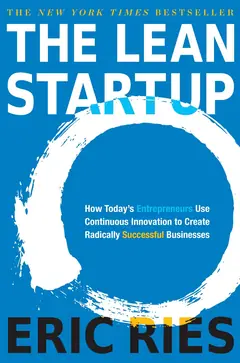
- "Lean Startup" de Eric Ries – Una guía práctica donde muestra la filosofía y ciclo de experimentación, aplica para toda organización gestionando la incertidumbre. Aunque del 2011, ha envejecido realmente bien.
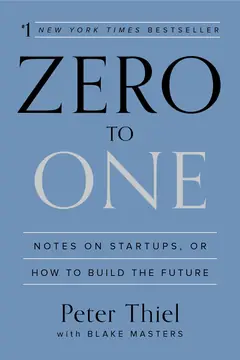
- "Zero to One" de Peter Thiel – Quizás el único libro que comunica de manera simple y con impacto la innovación de crear algo nuevo.
- "Infinite Game" de Simon Sinek – A muchos le parecen los libros de Simon superficiales o con mucho relleno, pero creo que tan solo no resuenan con lo fundamental que son sus mensajes centrales en cada uno de sus libros. Lo cual no tiene nada de malo, simplemente no son parte de la "tribu" de un futuro mejor.
- "Lead from the Future" de Mark W. Johnson y Josh Suskewicz – Un texto de consulta para desarrollar la metodología de cambio transformacional desde una visión de posibles futuros.
Fuentes de pensamiento de lo global a lo específico:
- World Economic Forum
- MIT Sloan THINKING FORWARD newsletter
- Ethan Mollick sobre Inteligencia Artificial
Questions about Innovation and Business Transformation
Recently, I was contacted to share my vision on innovation and business transformation. I'd like to share with you the questions I received along with my perspective on these critical topics for the future of organizations.
Q1: How do you see market growth in relation to the use of new technologies? What trends can you identify and how do you project them over time for different industries?
The most fascinating aspect here is the importance of identifying and understanding "signals of change" in the market. A signal of change is a singular event that occurs at the market's edge and allows us to glimpse a spark of the future in the present. It could be a new patent, an innovative startup, a disruptive product, or unusual consumer behavior.
The adaptation to technological change presents a significant challenge for established organizations, it's slow like all human transformation. This isn't surprising: there are multiple barriers, from cultural to technical, such as legacy systems and different levels of maturity in data governance, cloud usage, and digitalization.
Among the most relevant trends I observe:
- Design of AI strategies (not just generative or intelligent agents, but from descriptive to prescriptive for decision-making)
- Energy transition as a systemic change in the generation and consumption matrix, in the context of climate change
- Significant advances in robotics in the context of AI and materials science
- Biotechnology from industrial applications to medicine
- The search for new native Hardware for XR + AI
Q2: What do you think a person needs to lead an innovation and/or transformation area at the corporate level?
The best label I've found for this set of skills is "Transformational Leadership," which begins with a clear purpose: the "why" and the "what for" of innovation. This deeply personal type of leadership stems from our values and principles, from our desire to think differently, create new things, and have a positive impact on the environment.
The essential attributes I've observed in effective leaders include, though not all at their highest degree, but to a lesser or greater extent:
- Innate curiosity and passion for continuous learning
- Ability to connect with people, and build and inspire teams
- Capacity for observation and connecting distant ideas that give you unique learning
- Ability to formulate catalytic questions that open new lines of thinking
- Willingness to experiment agilely, cultivating learning from error and doubt
Q3: How do you recommend breaking down barriers regarding the managerial mindset, especially at the C-Suite level?
The key to transforming the managerial mindset is direct exposure to the disruptive. The C-Suite needs to experience new technologies firsthand, not just through their direct reports, reports, or news.
Educational sessions, open spaces where the pulse is measured unfiltered from their own teams, and "awakening" workshops along with work with trusted advisors are fundamental to catalyze this perspective change.
Changing beliefs and thus viewpoints is not trivial; it's a transformative learning that requires an experience that hints at reflection and subsequent decision-making.
Q4: What information sources would you recommend to continue deepening these topics and everything related to innovation and business transformation?
Essential books:
- "The Innovator's Dilemma" by Clayton Christensen - A classic whose concepts many use, but few understand in depth the dilemma of every organization facing technological change and the risk of disruption. It's not light reading.
- "Lean Startup" by Eric Ries – A practical guide showing the philosophy and cycle of experimentation, applies to any organization managing uncertainty. Although from 2011, it has aged really well.
- "Zero to One" by Peter Thiel – Perhaps the only book that communicates innovation of creating something new in a simple and impactful way.
- "Infinite Game" by Simon Sinek – Many find Simon's books superficial or filled with fluff, but I think they just don't resonate with how fundamental his central messages are in each of his books. Which isn't bad, they're simply not part of the "tribe" of a better future.
- "Lead from the Future" by Mark W. Johnson and Josh Suskewicz – A reference text for developing the methodology of transformational change from a vision of possible futures.
Thought sources from global to specific:
- World Economic Forum
- MIT Sloan THINKING FORWARD newsletter
- Ethan Mollick on Artificial Intelligence