Nos estamos haciendo viejos y estamos teniendo menos hijos... So, what? Tres gráficos del Banco Mundial cuentan una historia fascinante sobre nuestro futuro.
Tasas de fertilidad han caído de 5 hijos por mujer en los 60s a poco más de 2 hoy, acercándose peligrosamente a la tasa de reemplazo poblacional (2.1) donde ya no nacen suficientes personas para reemplazar a las que mueren.
Tasas de fertilidad (1960-2023): Tenemos menos hijos. Esperanza de vida ha aumentado de ~50 años a más de 70 años globalmente, creando una presión sin precedentes en los sistemas de pensiones tradicionales y salud diseñados para sociedades con muchos jóvenes y pocos ancianos.
Expectativa de vida (1960-2023): y vivimos más Tasa de crecimiento poblacional ha disminuido constantemente de más del 2% a menos del 1%, señalando el fin de la explosión demográfica que impulsó la economía global del siglo XX.
Tasa de crecimiento poblacional (1960-2023) ya es menor a uno. Estas tendencias nos llevan a una conclusión histórica: por primera vez en la historia humana, nos acercamos a una meseta poblacional y posiblemente a un punto de inflexión donde la población mundial comenzará a disminuir en lugar de aumentar, la cuál se estima a mediados de siglo (2050-2060).
Si seguimos esta tendencia, ¿qué significa esto?
Tres transformaciones que cambiarán todo: 1) La "Silver Economy" tomará parte de nuestro modelo económico actual El modelo económico que conocemos fue diseñado para una población en crecimiento, pero ahora:
La "Silver Economy" (economía plateada) emerge, convirtiendo a los adultos mayores en un nuevo motor de consumo Los servicios de salud, ocio y bienestar para personas mayores dominarán el mercado Los sistemas de vivienda y jubilación necesitarán reinventarse completamente La productividad, no el crecimiento poblacional, será el nuevo santo grial económico 2) La guerra por el talento redefinirá fronteras Con menos nacimientos y poblaciones envejecidas:
Los países competirán ferozmente por atraer profesionales cualificados junto a la tecnología Veremos políticas migratorias agresivas enfocadas en perfiles demográficos específicos Las naciones que mejor integren inmigrantes tendrán una ventaja competitiva Los flujos migratorios rediseñarán identidades y culturas organizacionales 3) Los Agentes de IA: nuestros nuevos "ciudadanos digitales" Mientras escasearán los humanos, surge una alternativa:
Agentes de IA autónomos realizarán cada vez más tareas para nosotros Estos agentes no solo trabajarán, sino que "consumirán" recursos digitales y energéticos Nacerá una economía paralela donde los agentes son tanto trabajadores como "consumidores" La frontera entre lo humano y lo sintético se desdibujará en nuevos modelos de negocio Esta transformación no es ciencia ficción ni un futuro posible. Ya está ocurriendo. Algunos países como Japón, Italia y Alemania ya experimentan poblaciones en declive
Al mismo tiempo, los agentes de IA ya comienzan a gestionar tareas financieras o de ventas, investigan, analizan datos y escriben código que antes requerían equipos humanos completos.
Y la pregunta clave es: ¿estamos preparando nuestras organizaciones, hijos y sistemas sociales para este nuevo mundo?
Porque necesitaremos:
Nuevos modelos de negocio centrados en una población envejecida rodeada de tecnología inteligente Sistemas educativos que maximicen el potencial del talento humano en declive Marcos éticos y regulatorios para gestionar la frontera entre agentes de IA y humanos Infraestructuras adaptadas para sociedades con más ancianos y robots que niños ¿Estamos preparados para un mundo con más robots "inteligentes" que bebés? ¿Cómo te imaginas ese futuro?
#Foresight #FuturesThinking #Demografía #IA #Innovación #InsightsDeLaSemana
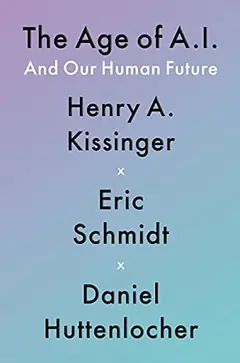
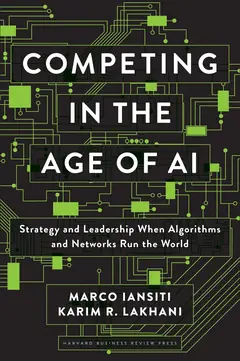
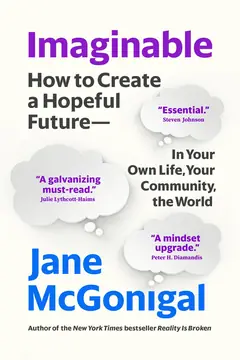
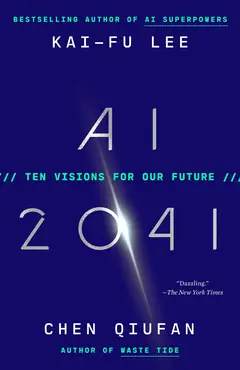
Para saber más: We're getting older and having fewer children... So, what? Three World Bank graphs tell a fascinating story about our future.
Fertility rates have fallen from 5 children per woman in the 60s to just over 2 today, dangerously approaching the population replacement rate (2.1) where not enough people are born to replace those who die.
Fertility rates (1960-2023): We're having fewer children. Life expectancy has increased from ~50 years to over 70 years globally, creating unprecedented pressure on traditional pension and health systems designed for societies with many young people and few elderly.
Life expectancy (1960-2023): and we live longer Population growth rate has steadily decreased from over 2% to less than 1%, signaling the end of the demographic explosion that drove the global economy of the 20th century.
Population growth rate (1960-2023) is now less than one. These trends lead us to a historic conclusion: for the first time in human history, we are approaching a population plateau and possibly an inflection point where the world population will begin to decrease rather than increase, which is estimated to occur by mid-century (2050-2060).
If we follow this trend, what does it mean?
Three transformations that will change everything: 1) The "Silver Economy" will take over part of our current economic model The economic model we know was designed for a growing population, but now:
The "Silver Economy" is emerging, turning older adults into a new consumption engine Health services, leisure, and wellness for older people will dominate the market Housing and retirement systems will need to be completely reinvented Productivity, not population growth, will be the new economic holy grail 2) The war for talent will redefine borders With fewer births and aging populations:
Countries will compete fiercely to attract qualified professionals alongside technology We'll see aggressive immigration policies focused on specific demographic profiles Nations that best integrate immigrants will have a competitive advantage Migration flows will redesign identities and organizational cultures 3) AI Agents: our new "digital citizens" As humans become scarcer, an alternative emerges:
Autonomous AI agents will perform more and more tasks for us These agents won't just work, but will "consume" digital and energy resources A parallel economy will be born where agents are both workers and "consumers" The boundary between human and synthetic will blur in new business models This transformation isn't science fiction or a possible future. It's already happening. Some countries like Japan, Italy, and Germany are already experiencing declining populations.
At the same time, AI agents are already beginning to manage financial or sales tasks, research, analyze data, and write code that previously required entire human teams.
And the key question is: are we preparing our organizations, children, and social systems for this new world?
Because we'll need:
New business models centered on an aging population surrounded by intelligent technology Educational systems that maximize the potential of declining human talent Ethical and regulatory frameworks to manage the boundary between AI agents and humans Infrastructures adapted for societies with more elderly and robots than children Are we prepared for a world with more "intelligent" robots than babies? How do you imagine that future?
#Foresight #FuturesThinking #Demographics #AI #Innovation #InsightsOfTheWeek
To learn more: 


 Saltar al contenido / Skip to content