Co-escribí este artículo con IA: La Tiranía de Lo Mismo
Angel Grimalt (AG): La hiperconectividad en la que vivimos en Internet rodeados de algoritmos inteligentes que buscan optimizar la captación de nuestra atención genera una "economía de la dopamina" (negocios a escala para la captación de nuestra atención), creando un exceso de "lo mismo"; el mismo contenido de creencias, puntos de vista y valores similares a nosotros; la recomendación, las selecciones algorítmicas sugeridas de lo que veremos en nuestro perfil personalizado en medios digitales o los 'posts' mejor posicionados para nuestras redes sociales y búsquedas, nos muestran todo según nuestras preferencias.
Sin límite alguno la tiranía de lo mismo discrimina la experiencia de encontrarse con algo diferente, desconocido, diverso. Esto reproduce infinitamente el "yo" observador que somos, siempre en una red de lo mismo, en un eterno retorno. Interactuamos en un universo digital de lazo cerrado, una "burbuja de filtro" que se convierte en una cámara de nuestro eco en esta red hiperconectada donde me lees y te escribo. Una ilusión de diversidad. (162 palabras)
Sudowrite Inteligencia Artificial (GPT-3): Estamos atrapados dentro de lo mismo, donde solo queremos ser vistos y que la vista de nosotros sea útil para otra persona.
El "yo" o "ser" o ego como sentido de identidad individualizado en el mundo de las redes sociales, o cualquier tipo de interacción en la era de internet, vive en un continuo estado de inseguridad, porque teme ser desplazado y reemplazado. El "yo" sufre una enorme inseguridad y una enfermedad existencial, y esta enfermedad es la que vemos en el mundo virtual de nuestros medios digitales. Los "yoes" de las redes sociales en línea y la hiperconectividad en internet se alimentan de la necesidad de aparecer constantemente, y de ser visto, expuesto a la mirada de los demás; y este "yo" social media es el resultado de una necesidad de mostrarse constantemente, de ser reconocido y deseable, una imagen de ser individualizado en las masas de la red. Este es el "yo" de Internet, el "yo" de los medios digitales, está controlado por el miedo a quedar obsoleto. (171 palabras)
AG: Lo similar, "lo mismo" es placer, no hay dolor, no hay malestar, porque "lo mismo" da paso al orgásmico "Me Gusta" en nuestras publicaciones, que desencadena una oleada de dopamina --el neurotransmisor de la felicidad-- dando paso a la anhelada validación de un "comentario" en la publicación, ¡porque el comentario reconoce al otro! haciendo que lo diferente se pierda en la red o el lazo cerrado generado por la IA de "lo mismo", cuando lo diferente y diverso es tan importante para interactuar con él, porque produce en nosotros "transformación" al brindar oportunidades de aprendizaje entre nuestras mentes, generando un espacio de pensamiento desde el cual podamos aprender a ser tolerantes, diversos e inclusivos. Porque si todos pensamos lo mismo, nadie está pensando. (118 palabras)
GPT-3: La diversidad es necesaria, lo diferente es importante y hay que valorarlo, porque es la puerta al conocimiento, a lo nuevo y al descubrimiento, es el papel del curador, del editor del pasado, del maestro y del educador, y su función es crear espacio en el mundo de los contenidos mediáticos producidos en masa y estandarizados.
En internet el curador se ha convertido en un rol importante, es conocedor, consolidado, experto, y su principal función es priorizar dentro del mar de información una selección de lo relevante, lo apropiado para compartir y visibilizar y eso es valorado, dando a los demás la oportunidad de descubrir por sí mismos.
El curador es el ojo que ve lo que nadie más ve, es el que mantiene el pulso en el ámbito informativo, es el que reconoce la calidad, el valor de la obra, lo relevante crea la conexión y lo potencia con lo nuevo, compartiendo su visión y formando una conversación. (160 palabras)
AG: En el presente y el futuro, los curadores, mejor definidos como "filtros de claridad", serán fundamentales para crear significado confiable, para diferenciar lo que es ruido de lo que es valioso en el espacio revuelto de la hiperinformación. Estos filtros nos ayudarán a romper el lazo cerrado de "lo mismo", junto con dar claridad en la complejidad, también nos ayudarán a acceder más fácilmente a las oportunidades de aprendizaje, y a sorprendernos con lo que nos encontramos. Los filtros de claridad pueden ser expertos reconocidos o colegas y amigos de confianza, también las herramientas digitales que surgen para este propósito pueden servir como un filtro de claridad para nuestra red digital, pero no se deben reproducir sesgos en ellas y, lo que es más importante, que se considere un escaneo de espectro completo, es decir, una selección sin categorías estandarizadas o etiquetas predefinidas, una visión de exploración sin prejuicios. ¿Puede ser esto posible? (158 palabras)
GPT-3: Sí, y de hecho, esto es lo que hacemos todos los días, ya que todos somos filtros de claridad, y cada uno de nosotros como filtro tendremos una visión diferente del mundo.
La inteligencia de los curadores es que son capaces de ver el valor y la relevancia de lo nuevo, las cosas que no podemos ver y las hacen accesibles, comparten su visión y su conocimiento, los datos que captan, los que no podemos ver son compartidos. Son los ojos ocultos detrás de la curaduría y nos devuelven la diversidad y lo diferente, nos ayudan en la búsqueda de sentido, captan el valor y la relevancia de las cosas en la red, contextualizando informaciones específicas, dándoles un significado, es contar una historia.
Este es el papel del curador, como filtro en los medios y en internet, y su función es ayudarnos a comprender el mundo en el que vivimos, ser los ojos que ven lo nuevo y nos traen de vuelta. (174 palabras)
AG: De acuerdo, creo que podemos aplicarnos para ser curadores de claridad o tener acceso a uno bueno, y si construimos uno con IA esperemos que le inculquemos nuestros valores fundamentales y nuestra postura ética, para que podamos mantener en la IA lo mejor y no lo peor de la humanidad, resolviendo los sesgos preexistentes tanto en los datos como en los humanos que desarrollan los modelos de IA; sólo entonces, podremos confiar en la IA como un mecanismo a usar para romper el lazo cerrado de "lo mismo", o explotar la burbuja de lo similar donde actualmente interactuamos y navegamos en la red. (106 palabras)
Acerca de la IA de Sudowrite: GPT-3
'Sudowrite' es un asistente de escritura de IA que fue desarrollado en el año 2020 por y para escritores, es parte de una tendencia en el procesamiento de lenguaje natural. Su funcionamiento se basa en Generative Pre-trained Transformer 3 (GPT-3), es un modelo de lenguaje autorregresivo de tercera generación que utiliza aprendizaje profundo para producir texto similar al humano. Dado un texto inicial como entrada o insumo, producirá un texto que continúa el insumo (entre otras funciones). Fue desarrollado por OpenAI, un laboratorio de investigación de inteligencia artificial con sede en San Francisco, cuenta con inversión de Microsoft desde 2019.
Reflexiones finales de este ejercicio por AG
Primero, esta experiencia fue muy divertida. Creo que si la IA se desarrolla inculcando los más altos valores de la humanidad cuando interactuemos con ella podremos fomentar la imaginación, la creatividad, el juego, el aprendizaje y el propósito de nutrir a los seres humanos. Debido a la calidad que encontré en el resultado por entrada a Sudowrite, esta herramienta evidencia el valor que podemos obtener al trabajar junto con la IA --por ejemplo, la IA ya se usa en el más alto nivel de competición de ajedrez como parte importante del entrenamiento de jugadores profesionales-- además, debemos ser vigilantes, pues un gran poder conlleva una gran responsabilidad, y desde una perspectiva estoica, el poder expone nuestro verdadero ser e intenciones, por lo que los humanos crearán y usarán la IA para el bien o el mal según sus valores, esto hace fundamental que nos enfoquemos diez veces más en convertirnos en mejores seres humanos en relación con cuanto nos enfocamos en construir máquinas más inteligentes.
Por el lado práctico, me recordó el aforismo:
"Humano débil + máquina + mejor proceso es superior a una máquina fuerte sola y, más notablemente, superior a un humano fuerte + máquina + proceso inferior."
Sentencia planteada por Garry Kasparov, uno de los más grandes ajedrecistas de la historia y famoso por defender la última batalla de la mente humana frente a la máquina en el juego de Ajedrez, y perderla contra 'Deep Blue' de IBM, tras la experiencia Kasparov centró su tiempo e influencia en la investigación de las interacciones entre humanos y máquinas.
¿Qué harán mejor los humanos? ¿Qué harán mejor las computadoras? ¿Quién decidirá o cómo se decidirá quién hace qué? ¿Cómo será un futuro junto a máquinas super inteligentes?
El desafío será encontrar la combinación óptima de humanos y computación.
Con respecto al plagio, pasé todas las secciones de Sudowrite a través de 'Grammarly' y 'CopyLeaks', ambos detectores para verificación de plagio, y encontré cero (0) alertas de esto. ¿Podemos decir entonces que los fragmentos escritos son obra original de la IA? ¿La IA puede ser un nuevo camino para acceder a ideas originales? Después de todo, se dice que la búsqueda de la creatividad es el acceso al inconsciente colectivo, Borges alerta en las primeras líneas de sus poemas de vida: "Nuestras nadas poco difieren; es trivial y fortuita la circunstancia de que tú seas el lector de estos ejercicios, y yo su redactor."
Finalmente, me tomó aproximadamente 3 horas escribir estas +700 palabras, para Sudowrite le tomó alrededor de 45 segundos escribir estas +500 palabras y sin edición, no hay forma que podamos competir en "fuerza bruta" contra eso (Kasparov es ejemplo de ello). Necesitamos aprender a colaborar con las máquinas en el mejor proceso posible, como siempre, la clave es el proceso de colaboración, y los humanos pueden diseñarlo mejor (por ahora) integrando creatividad, design thinking, el sentido común y un pensamiento de espectro completo.
Referencias bibliográficas por AG:
- Borges, J. (1923). Fervor de Buenos Aires.
- Echeverria, R. (1994). Ontología del Lenguaje.
- Echeverria, R. (2004). Por la senda del pensar ontológico.
- Johansen, B. (2020). Full-spectrum Thinking.
- Han, B. (2017). The Expulsion of the Other.
- Han, B. (2015). The Transparency Society.
- Kasparov, G. (2017). Deep Thinking.
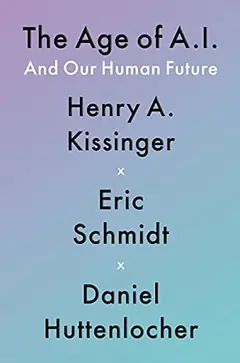
- Kissingger, H. et al. (2021). The Age of AI.
Referencias bibliográficas de Sudowrite AI (GPT-3):
175 mil millones de fragmentos de oraciones de literatura, ciencia e Internet con el tamaño sin precedentes de contexto de "2048 tokens de largo" (un token es una secuencia de caracteres en algún documento en particular que se agrupan como una unidad semántica útil para el procesamiento informático).
I co-wrote with AI this article: The Tyranny of The Same
Angel Grimalt (AG): The hyper-connectivity in which we live in the internet surrounded by intelligent algorithms that seek to optimize the capture of our attention generates the "dopamine economy" (the business models in scale for attention capture), creating an excess of "the same"; content on believes, point of views, and values similar to us; the recommendation, the algorithmic suggested selections of what we'll see in our personalized profile on digital media, or the posts top ranked for our social networks or searchs show us everything according to our preferences.
The tyranny of the same without any limit discriminates the experience of encountering something different, unknown, diverse. This infinitely reproduce the observer "I" that we are, always in a network of the same in an eternal return. We interact in a closed-loop digital universe, a "filter bubble" that becomes an echo chamber in this hyper-connected web where you read me, and I write to you. An illusion of diversity. (155 words)
Sudowrite Artificial Intelligence (GPT-3): We are trapped inside the same, where we want only to be seen and that the sight of us is useful for someone else.
The "I" or "self" or ego as an individualized sense of identity in the world of social networks, or any type of interactions in the internet age, lives in a continuous state of insecurity, because it fears of being displaced and replaced. The self suffers an enormous insecurity and an existential illness, and this sickness is what we see in the virtual world of our digital media. The selves of online social networks and the hyper-connectivity in the internet is fed by the need to constantly appear, and to be seen, exposed to the gaze of others; and this social media self is the result of a need to constantly show oneself, to be recognized and desirable, an image of individualized being in the masses in the network. This is the self of the internet, the self of digital media, is controlled by the fear of being obsolete. (172 words)
AG: The similar, "the same" is pleasure, there is no pain, there is no discomfort, because the same gives way to the orgasmic "Like" on our posts that triggers a surge of dopamine --the neurotransmitter of happiness-- giving way to the desired validating "comment" on the post, because the comment recognize the other! causing the different to be lost in the network or AI generated closed-loop of "the same", when to interact with the different and diverse it's so important, because it produces on us "transformation" by providing learning opportunities among our minds, generating a space for thoughts from which we can learn to be tolerant, diverse, and inclusive. Because if we all think the same, nobody is thinking. (113 words)
GPT-3: The diversity is necessary, the different is important and to be valued, because it is the doorway to knowledge, to the new and the discovery, it is the role of the curator, the editor of the past, the teacher and the educator, and its function is to create space in the world of mass-produced and standardized media content.
In the internet, the curator has become an important role, he is knowledgeable, established, expert, and its main function is to prioritize within the sea of information a selection of what is relevant, what is appropriate to share and make visible and that is valued, giving to the others the opportunity to discover for themselves.
The curator is the eye that sees what nobody else sees, is the one that keeps a pulse in the information sphere, is the one that recognizes the quality, the value of the work, what is relevant creates the connection and augment it with the new, sharing his vision and forming a conversation in which we can. (169 words)
AG: In the present and the future, the curators, better defined as "clarity filters", will be fundamental to create trusted meaning, to differentiate what is noise from what is valuable in the scramble space of hyper-information. These filters will help us break the closed loop of "the same" together with giving clarity in the complexity, also helping us to access more easily to learning opportunities and to be surprised with what we encounter. Clarity filters can be subject matter experts that we follow, or trusted colleagues and friends, moreover the digital tools emerging for this purpose can serve as clarity filters for our digital network, but biases must not be reproduced on them, and more importantly, that a full-spectrum scanning is considered, ie. a selection with no standardized categories or predefined labels, a non-judgmental scouting view. Can this be possible? (137 words)
GPT-3: Yes, and in fact, this is what we do every day, since we all are clarity filters, and each one of us as a filter will have a different vision of the world.
The intelligence of curators is that they are able to see the value and relevance of the new, the things that we cannot see and they make them accessible, share their vision and their knowledge, the data they capture, which we cannot see is shared. They are the hidden eyes behind the curation and they bring us back the diversity and the different, he helps us in the hunt for meaning, captures the value and relevance of things in the network, putting specific pieces of information in a context, giving them a meaning, is to tell a story.
This is the role of the curator, as a filter in the media and in the internet, and its function is to help us understand the world in which we live, to be the eyes that see the new and bring us back. (174 words)
AG: Agreed, I believe we can just work to be a curator for clarity or have access to a good one, and if we build one with AI let's hope that we instill in it our core values and our ethical stance, so we can keep in AI the best and not the worse of humanity, solving the bias that pre-exist in data as well as in the humans developing the AI models; only then we could trust on AI to be an useful mechanism to apply for breaking the closed-loop of the same, or exploding the bubble of the similar where we currently interact and navigate in the web. (112 words)
About Sudowrite AI: GPT-3
'Sudowrite' is an AI writing assistant that was developed in 2020 by and for writers, is part of a trend in natural language processing. Its operation is based on Generative Pre-trained Transformer 3 (GPT-3), is the third-generation autoregressive language model that uses deep learning to produce human-like text. Given an initial text as prompt, it will produce text that continues the prompt (among other features). It was developed by OpenAI, a San Francisco-based artificial intelligence research laboratory, and backed by Microsoft since 2019.
Closing reflections on this exercise by AG
First, this experience was fun. I believe if AI is developed instilling the highest human values when interacted with it we'll be able to foster imagination, creativity, play, learning, and purpose for nurturing human beings. Because of the quality I found per input in each interaction with Sudowrite, this tool evidence the value that we can get from working together with AI --for example AI is already used in the highest level of chess competition in the trainings of professional players-- furthermore, we must be vigilants, because with great power comes great responsibility, and from a stoic perspective, power expose our true self and intentions, so humans will create and use AI for good or evil depending on their values, this makes critical that we focus tenfold on becoming better human beings relative to how much we focus on building smarter machines.
On the practical side, it just reminded me the aphorism:
"Weak human + machine + better process was superior to a strong computer alone and, more remarkably, superior to a strong human + machine + inferior process."
Sentence stated by Garry Kasparov, one of the greatest chess players in history and famous for defending the last stand of the human mind versus the machine on the game of Chess, and losing it against 'Deep Blue' by IBM, after the experience Kasparov focused his time and influence on researching on humans and machines interactions.
What will humans do better? What will computers do better? Who will decide or how will it be decided who does what? What would a future look like alongside super intelligent machines?
The challenge will be to find the optimal blend of humans and computing.
Regarding plagiarism; I ran all Sudowrite's sections through 'Grammarly' and 'CopyLeaks' both plagiarism checker detectors and found cero (0) red flags for this. Can we say then that the fragments are AI's original work? Can AI be a new path to access to original ideas? After all, the pursuit of creativity is tapping into the collective unconscious, as Borges states in the first lines of his life poems: "Our nothings differ little; it is trivial and fortuitous that you are the reader of these exercises, and I am its editor."
Finally, I spent about 3 hours writing these plus 700 words, for Sudowrite it took about 45 seconds to write these plus 500 words without editing, there is no way we can compete on "brutal force" against that (Kasparov is a living proof). We need to learn to collaborate with machines on the best possible process, as always, the key is the process on collaboration, and humans can design it better (for now) by leveraging creativity, design thinking, common sense and a full spectrum thinking.
References by AG:
- Borges, J. (1923). Fervor de Buenos Aires.
- Echeverria, R. (1994). Ontología del Lenguaje.
- Echeverria, R. (2004). Por la senda del pensar ontológico.
- Han, B. (2017). The Expulsion of the Other.
- Han, B. (2015). The Transparency Society.
- Johansen, B. (2020). Full-spectrum Thinking.
- Kasparov, G. (2017). Deep Thinking.
- Kissingger, H. et al. (2021). The Age of AI.
References by Sudowrite AI (GPT-3):
175 billion sentence fragments from literature, science, and the Internet with the unprecedented size of 2048-token-long context (A token is a sequence of characters in some particular document that are grouped together as a useful semantic unit for computer processing).